◆ CASE FILEThe facts, corroborated
The Samara Radar Attack
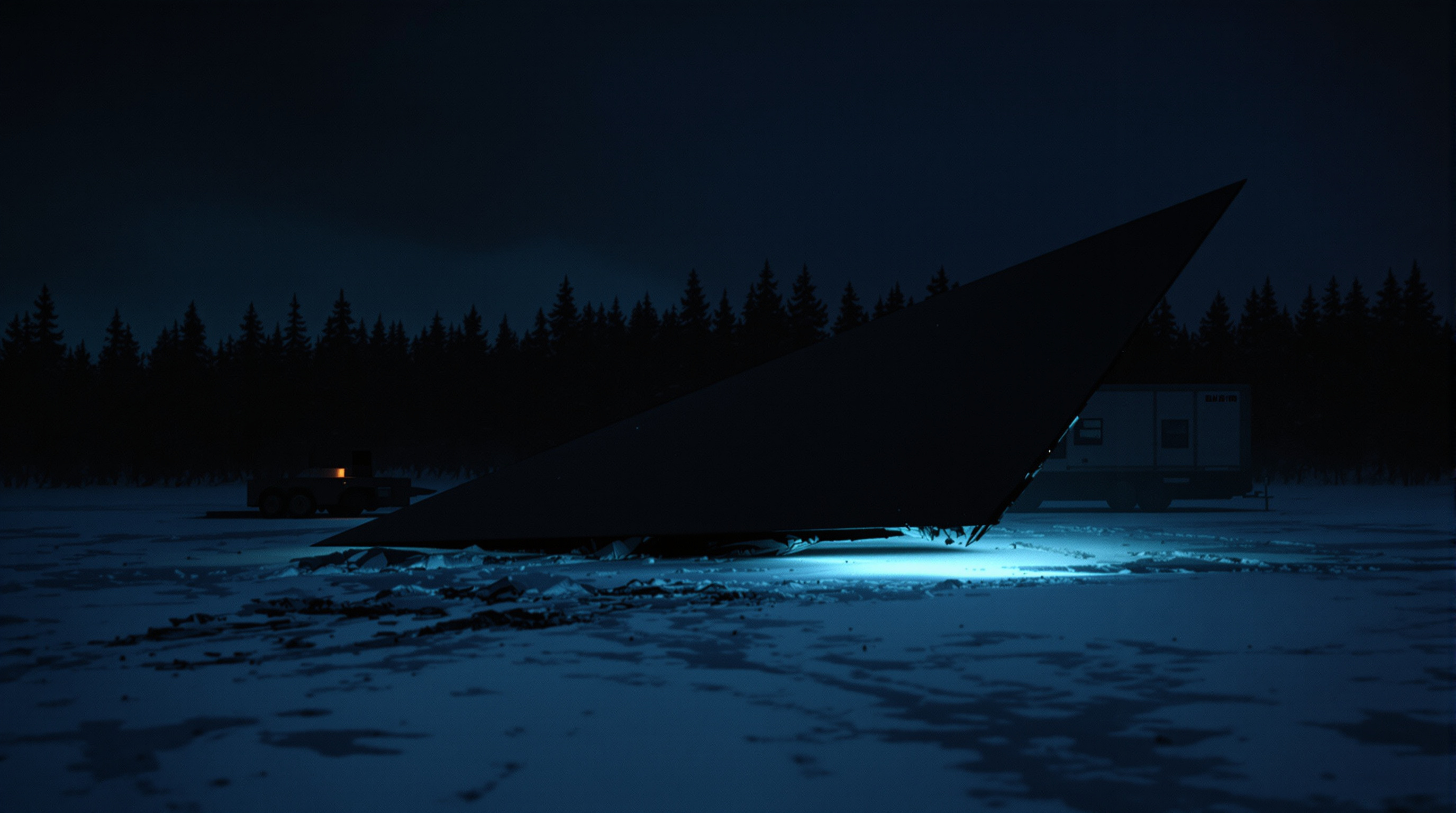
In 1990, at a military radar station near Samara in what was then the Soviet Union, a triangular object was reported on radar, then on the ground beside a mobile air defence unit. The antenna was destroyed. This is the record of what personnel described, not a verdict on what came down beside the mast.
◆ THE SHORT VERSION
- The Samara Radar Attack is a reported UAP case in Russia, 1990.
- The record describes military involvement, missing time and physical traces on the ground.
- For this case Fractured Realities holds 6 distinct sources and 3 distinct claimants on its resolved list.
- The archive grades it L3 · MULTI-SOURCE — multiple independent sources attest to it.
Counts are resolved totals of what sources say, computed 2026-10-03; the reported details above are claims in the record, not findings. A record of reports, not a verdict on what happened.
EVENT DATE
1990
LOCATION
military base near Samara · Russia
COORDS
53.20°N 50.10°E
INDEPENDENCE
L3 · MULTI-SOURCE
SOURCES
6 distinct
CLAIMANTS
3
STATUS
Multi-source testimony
NUMBERS COMPUTED 2026-10-03 · RESOLVED COUNTS, NOT A VERDICT