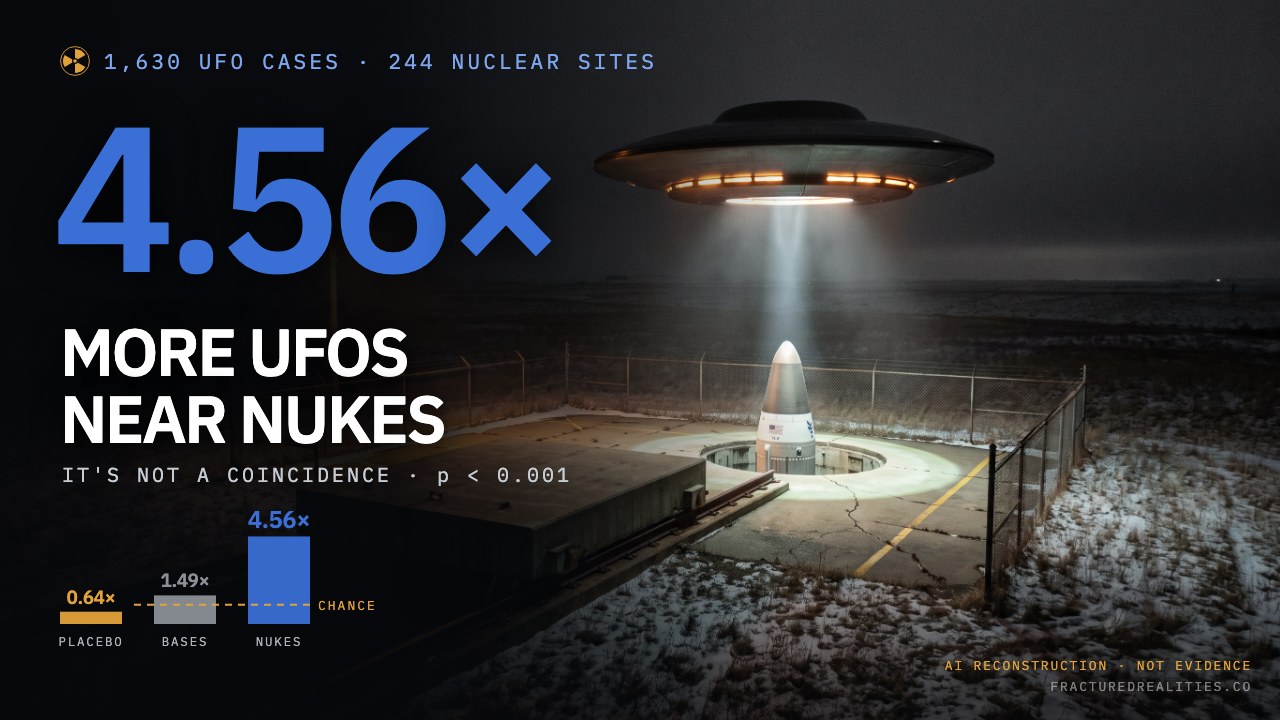
◆ CASE FILEThe facts, corroborated
The Greifswald Lights
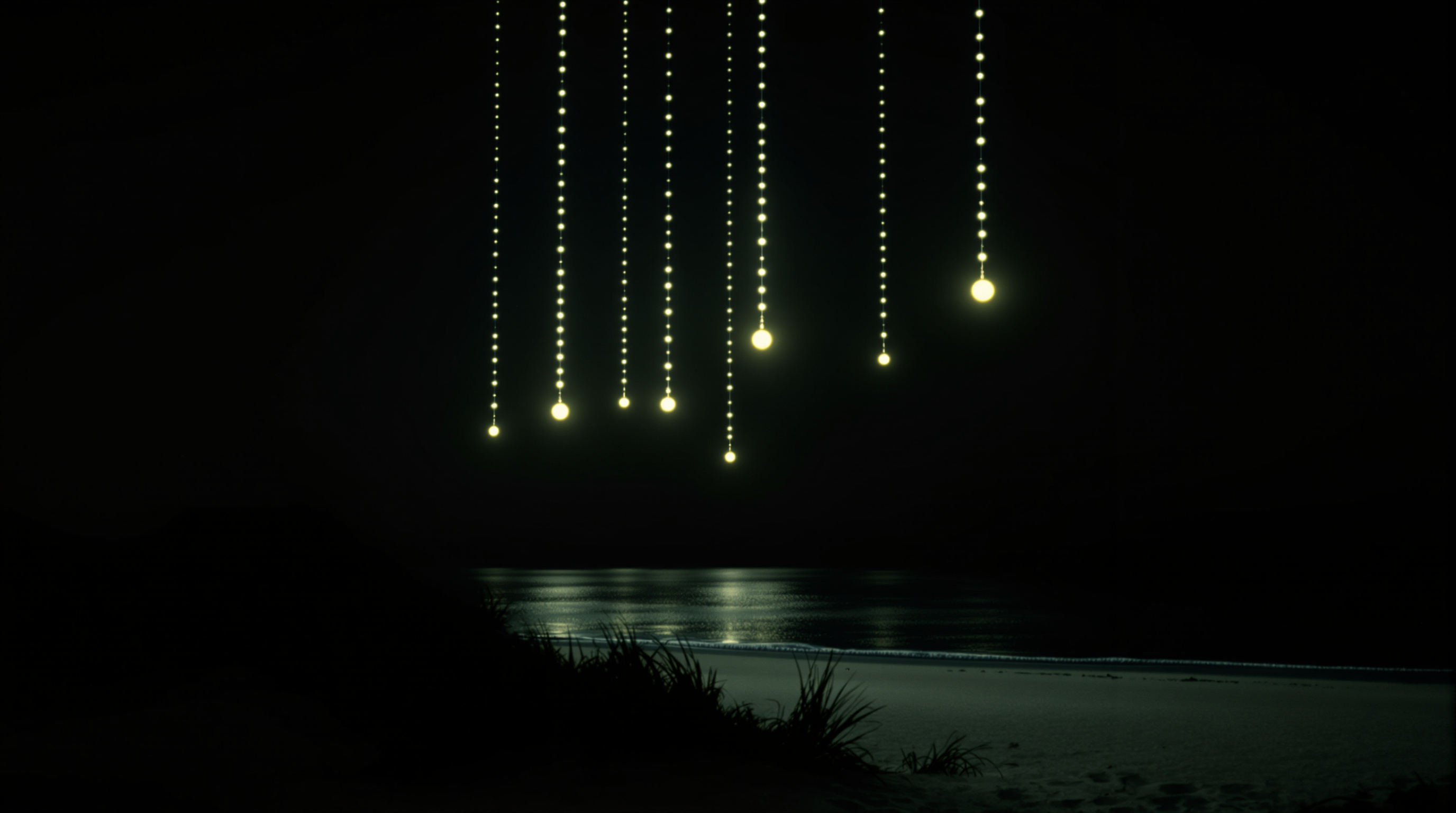
On 24 August 1990 crowds on the dunes of Usedom watched silent chains of glowing lights hang over the Baltic coast for around an hour, near the Greifswald nuclear plant. Several people filmed it. This is the record of what was seen and recorded that evening, not a verdict on what hung over the coast.
◆ THE SHORT VERSION
- The Greifswald Lights is a reported UAP case in East Germany, 24 August 1990.
- The record describes a nuclear facility nearby, a mass sighting, a silent craft and an object hovering.
- For this case Fractured Realities holds 2 distinct sources and 4 distinct claimants on its resolved list.
- The archive grades it L3 · MULTI-SOURCE — multiple independent sources attest to it.
Counts are resolved totals of what sources say, computed 2026-10-03; the reported details above are claims in the record, not findings. A record of reports, not a verdict on what happened.
EVENT DATE
24 August 1990
LOCATION
Usedom / Ahlbeck · East Germany
COORDS
53.94°N 14.19°E
INDEPENDENCE
L3 · MULTI-SOURCE
SOURCES
2 distinct
CLAIMANTS
4
STATUS
Multi-source testimony
NUMBERS COMPUTED 2026-10-03 · RESOLVED COUNTS, NOT A VERDICT