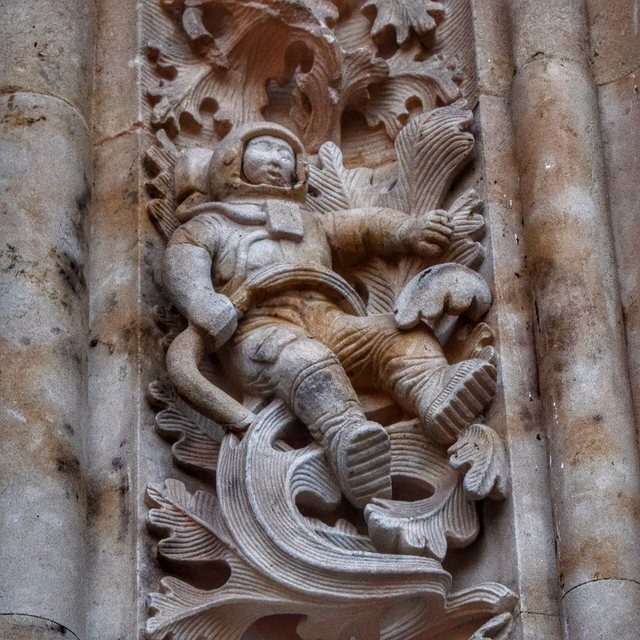
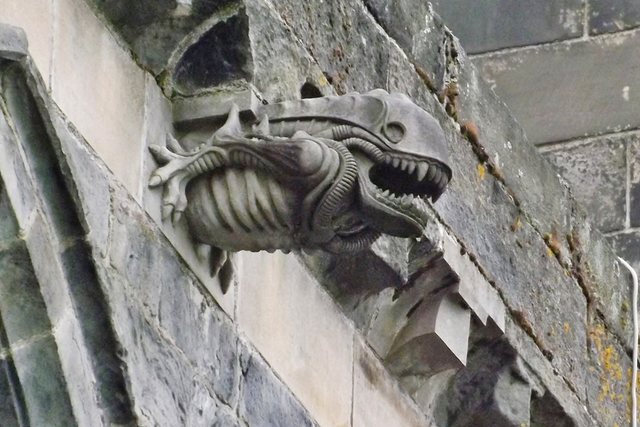
The Goggle-Eyed Dogū
c. 1000–400 BCE · Kamegaoka, Aomori · Japan
WHAT IT IS
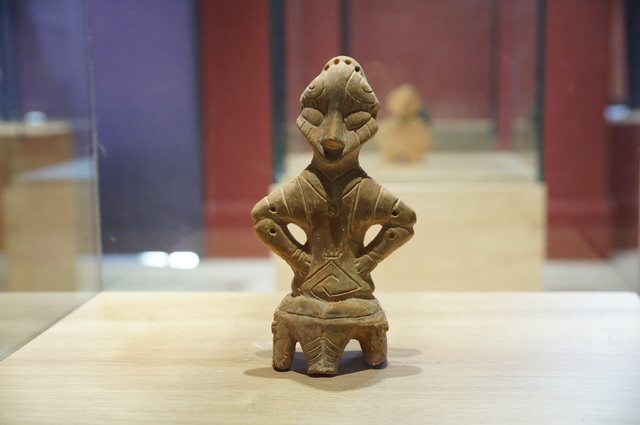
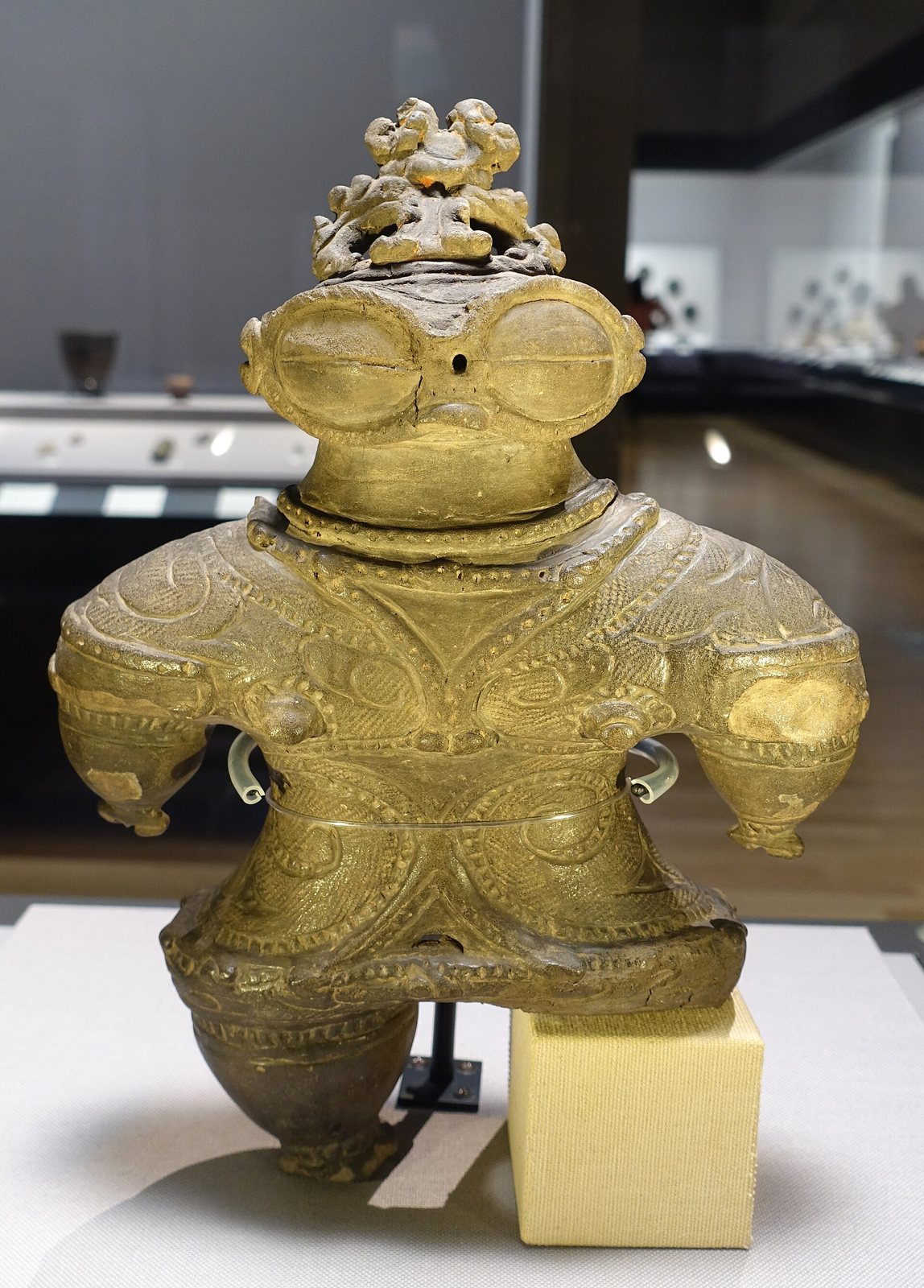
A squat clay figure with huge slit eyes like snow goggles and a body like a padded suit. Erich von Däniken made it the ancient world's spaceman.
THE ALIEN READING
Von Däniken presented dogū as astronauts in spacesuits and helmets in Chariots of the Gods?, and a whole book, 'The 6000 Year Old Space Suit', is built on them. They still headline 'ancient astronaut' posts.
WHAT THE RECORD SAYS
Dogū are a long Jōmon tradition, mostly female, tied to fertility or healing rites in which they were often broken. 'Shakōki' (snow goggles) is a modern nickname; Japanese scholars read the eyes as stylised or closed.
WHERE IT STANDS
Explained. Historians and archaeologists account for what it shows. The alien reading is a modern one.
STATUS IS OUR CURRENT ASSESSMENT, NOT A VERDICT · REVIEWED 3 OCT 2026
THE RECORD
- DATE
- c. 1000–400 BCE
- PLACE
- Kamegaoka, Aomori · Japan
- MADE BY
- Jōmon culture · Tokyo National Museum
- MEDIUM
- Sculpture
- TECHNICAL
- Clay figurine · Final Jōmon · excavated at Kamegaoka, Tsugaru · Tokyo National Museum